
Additional Space Without Relocating
Room Additions and Expansions in Richmond for creating bedrooms, offices, and living areas within existing properties
Growing families and changing work arrangements throughout Richmond create needs for additional bedrooms, dedicated office space, or expanded living areas that current floor plans cannot accommodate without overcrowding. Room additions provide functional square footage by extending exterior walls, adding second-story construction, or converting attached structures into climate-controlled living space. Cape Home Remodel designs and builds additions that blend structurally and visually with existing homes, matching rooflines, siding materials, and interior finishes so new spaces feel integrated rather than tacked on.
Addition projects involve foundation work to support new framing, structural integration where new walls connect to existing buildings, and HVAC extensions that maintain comfortable temperatures in added rooms. Roof framing matches existing pitch and overhang dimensions, while window placement provides natural light without compromising privacy or creating heat gain issues during summer months.
Discuss expansion ideas and project goals during a planning session that reviews available yard space and how additions can meet specific household needs.
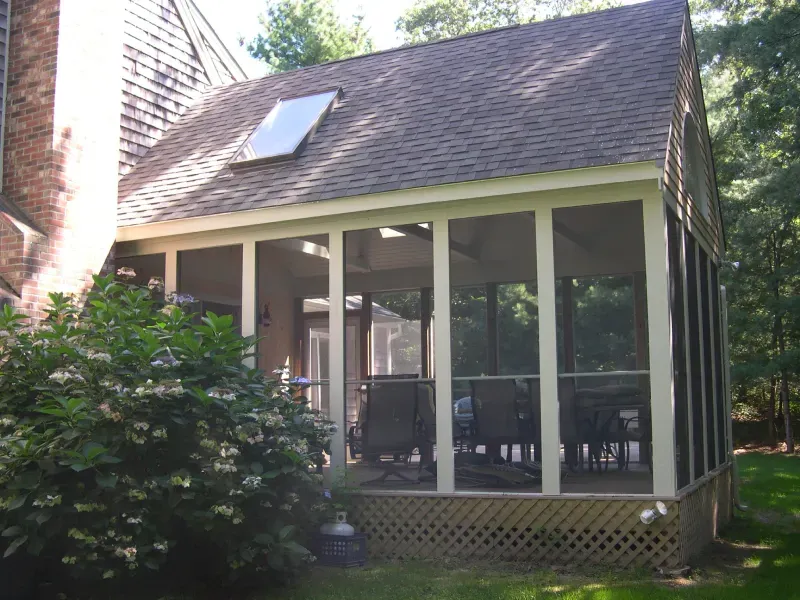
How Additions Blend With Existing Structures
Successful room additions require structural coordination where new foundations transfer loads to stable soil, framing ties into existing wall and roof systems without creating stress points, and exterior finishes match weathering patterns of surrounding materials. Flooring in added rooms must align precisely with adjacent floor heights to prevent tripping hazards at transitions, while drywall installation creates seamless corners where new walls meet existing construction. HVAC design accounts for the additional volume requiring heating and cooling, often necessitating ductwork extensions or supplemental equipment to maintain balanced airflow.
After addition construction completes, new rooms maintain consistent temperatures with the rest of the home, floor transitions occur smoothly without noticeable height changes, and exterior siding or brick blends visually with surrounding walls. Interior trim styles, door heights, and ceiling finishes match adjacent spaces, while electrical outlets and lighting placements follow the same patterns established throughout the existing home.
Personalized planning addresses whether your addition needs plumbing rough-in for future bathroom installation, dedicated electrical circuits for home office equipment, or window configurations that capture specific views while maintaining wall space for furniture placement. Quality craftsmanship during framing and finishing ensures additions remain structurally sound and weather-tight through seasonal temperature swings and precipitation common in the Richmond area.
Questions About Adding Space to Homes
Property owners considering additions want to understand structural requirements, design integration, and how new construction affects existing building systems and outdoor spaces.
What determines whether a room addition is feasible on a property?
Available yard space for expansion, setback requirements from property lines, and soil conditions that support additional foundation work all affect whether additions can be built and how large they can be designed.
How do additions connect structurally to existing homes?
New foundations are poured adjacent to existing footings, framing is tied into wall studs and roof rafters with metal connectors and properly sized fasteners, and roofing materials are woven into existing shingles to create weatherproof transitions.
What prevents additions from looking like afterthoughts?
Matching exterior materials, continuing roofline pitches and overhangs, aligning window styles and placements, and coordinating interior finishes create visual continuity that makes additions appear as original construction rather than obvious extensions.
When do room additions require HVAC system upgrades?
If existing heating and cooling equipment operates near capacity, adding square footage may exceed its ability to maintain comfortable temperatures, requiring supplemental equipment or complete system replacement to handle increased demand.
What interior changes accompany room addition projects?
New doorways cut into existing walls require header installation and structural reinforcement, flooring extends into added spaces with transitions carefully aligned, and electrical panels often need circuit additions to serve new lighting and outlets.
Cape Home Remodel manages addition projects from design and permitting through foundation work, framing, and final interior finishing that integrates new spaces with your existing home. Call (270) 350-1572 to review how room additions can address your household's changing space requirements without the disruption and expense of relocating to a different property.