
Surfaces That Last Through Daily Traffic
Flooring Installation in Richmond for homes with worn subflooring, outdated materials, or remodeling projects requiring updated finishes
Flooring replacement changes how rooms look, how footsteps sound, and whether high-traffic areas show scuff marks after a few months of use. Older homes in Richmond often have hardwood buried under carpet, vinyl plank that's lifted at seams, or tile with grout that no longer holds—conditions that signal the need for installation that addresses subfloor preparation before new material goes down. Cape Home Remodel installs hardwood, luxury vinyl plank, laminate, and tile flooring in homes where surface damage extends beyond cosmetic wear and where homeowners want materials chosen for durability, not just appearance.
Flooring installation involves removing existing material, evaluating subfloor flatness and moisture levels, and selecting products that fit both design preferences and how the room is used. Hardwood offers refinishing potential over decades, luxury vinyl plank resists water damage in kitchens and bathrooms, and tile provides thermal mass in spaces with radiant heating or high sun exposure.
Request an installation estimate based on current floor condition and material preferences.
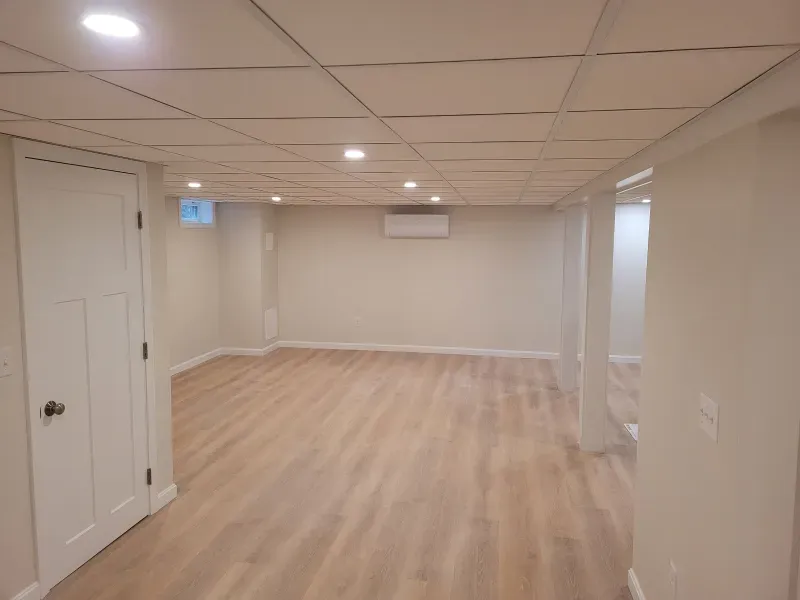
What Proper Flooring Installation Requires
Installation begins with subfloor inspection, checking for level variations, soft spots, and moisture content that could cause new flooring to shift or buckle. Hardwood requires acclimation to indoor humidity before installation, while luxury vinyl plank and laminate need underlayment that dampens sound and smooths minor subfloor imperfections. Tile installation depends on setting a mortar bed flat enough that grout lines remain consistent and individual tiles don't crack under point loads.
Once flooring is installed, you'll notice consistent surface height at transitions between rooms, no hollow sounds when walking over planks, and seams that remain tight even in areas where temperature and humidity shift seasonally. Rooms appear larger with consistent flooring that runs without interruption, and maintenance becomes simpler when materials are chosen for the specific wear patterns each space experiences.
Material selection also affects long-term costs, since hardwood can be sanded and refinished multiple times, while luxury vinyl plank and laminate are replaced rather than refinished when surface wear becomes visible. Tile longevity depends more on grout maintenance and substrate stability than on the tile itself.
Answers to Frequent Service Questions
Homeowners preparing for flooring projects often ask about material selection and installation timelines.
What causes vinyl plank flooring to lift at seams?
Inadequate subfloor preparation, moisture intrusion from below, or insufficient acclimation time before installation can all cause planks to expand and separate, particularly in basements or rooms with high humidity swings common in Richmond's seasonal climate.
How does subfloor condition affect installation costs?
Subfloors requiring leveling compound, moisture barrier installation, or structural reinforcement add material and labor costs before new flooring can be installed, but skipping these steps leads to premature failure regardless of surface material quality.
When should hardwood flooring be refinished instead of replaced?
If the existing hardwood has enough thickness above the tongue-and-groove joint to sand down at least one more time and the boards aren't cupped or loose, refinishing costs less than replacement while preserving the original wood character.
Why does tile grout crack in some installations but not others?
Grout cracks when the substrate flexes, when tiles are set over subfloors that aren't sufficiently rigid, or when expansion joints are omitted in large tile fields, making underlayment quality and joist spacing as important as grout type.
How long before new flooring can handle furniture placement?
Hardwood can be walked on immediately but benefits from a few days before heavy furniture is moved back, while tile requires mortar and grout to cure fully—typically 48 to 72 hours—before normal use resumes.
Cape Home Remodel installs flooring throughout Richmond in homes undergoing remodeling or addressing worn surfaces. Reach out to review flooring options, subfloor requirements, and project timelines for your property.